
Lahaul and Spiti
Lahaul and Spiti are a destination that transcends the ordinary, offering a glimpse into a world where time seems to stand still. If you are an adventurous soul seeking solace in the rugged lap of the Himalayas, a journey to Lahaul Spiti should be your top priority. In this comprehensive guide, we will dive deep into the mystical landscapes of Spiti, the hidden gems of Lahaul, and the ethereal beauty of high-altitude lakes like Chandratal and Surajtal. Whether you are a solo backpacker or a photography enthusiast, Lahaul & Spiti offers a raw, unfiltered experience that stays with you forever.
The Ultimate Guide to Lahaul and Spiti
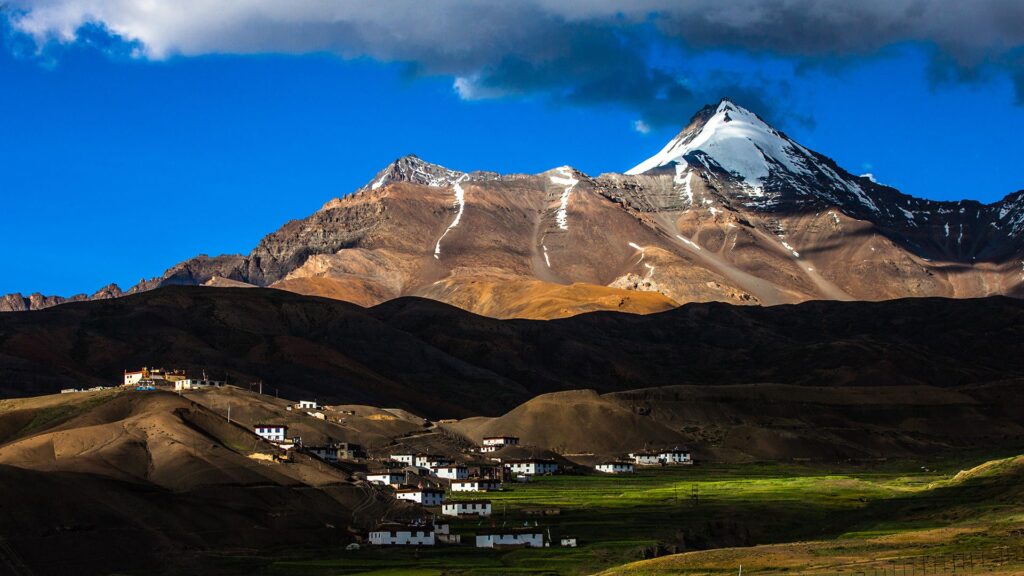
While often grouped together, Lahaul and Spiti are two distinct worlds separated by the mighty Kunzum Pass. Lahaul is characterized by the meeting of the Chandra and Bhaga rivers, featuring slightly more vegetation and alpine charm. On the other hand, Spiti is a high-altitude cold desert, famous for its stark, moon-like terrains and deep-rooted Tibetan Buddhist culture. The opening of the Atal Tunnel has revolutionized travel to Lahaul Spiti, making the region accessible almost throughout the year. However, the true essence of Lahaul and Spiti lies in its remote villages and ancient monasteries.
Chandratal Lake: The Enchanting Moon Lake
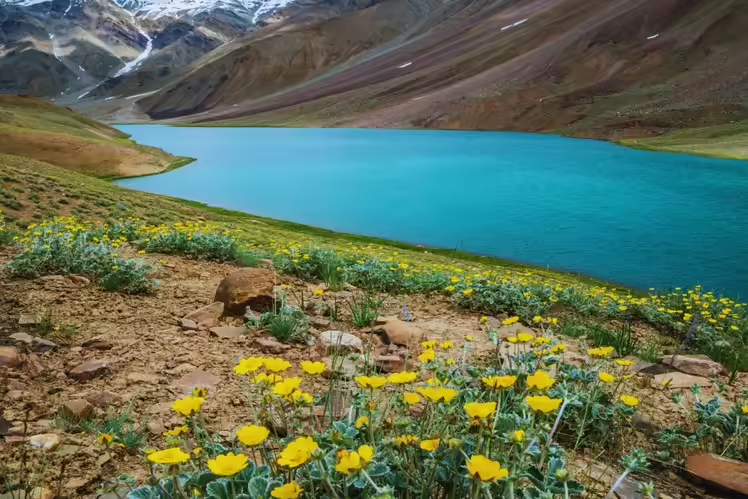
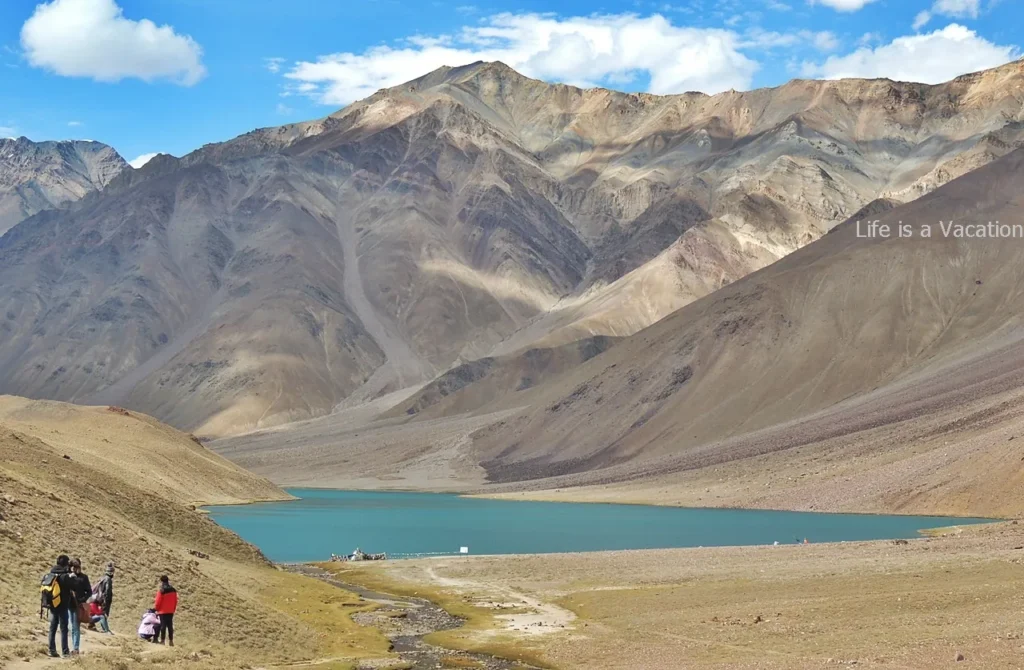
No trip to Lahaul & Spiti is complete without visiting Chandratal, also known as the ‘Moon Lake.’ Situated at an altitude of 4,250 meters, its name originates from its unique crescent shape. Chandratal Lake is widely considered one of the most beautiful high-altitude lakes in India. The experience of Chandratal is not just about the view; it is about the silence. The crystal-clear waters of Chandratal Lake reflect the surrounding peaks like a mirror. For travelers, we highly recommend an overnight stay in the nearby campsites. On a clear night, the Milky Way is visible to the naked eye, making Chandratal a paradise for astrophotographers.
Surajtal: The Celestial Lake of the Sun God
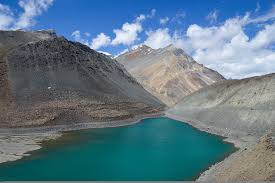
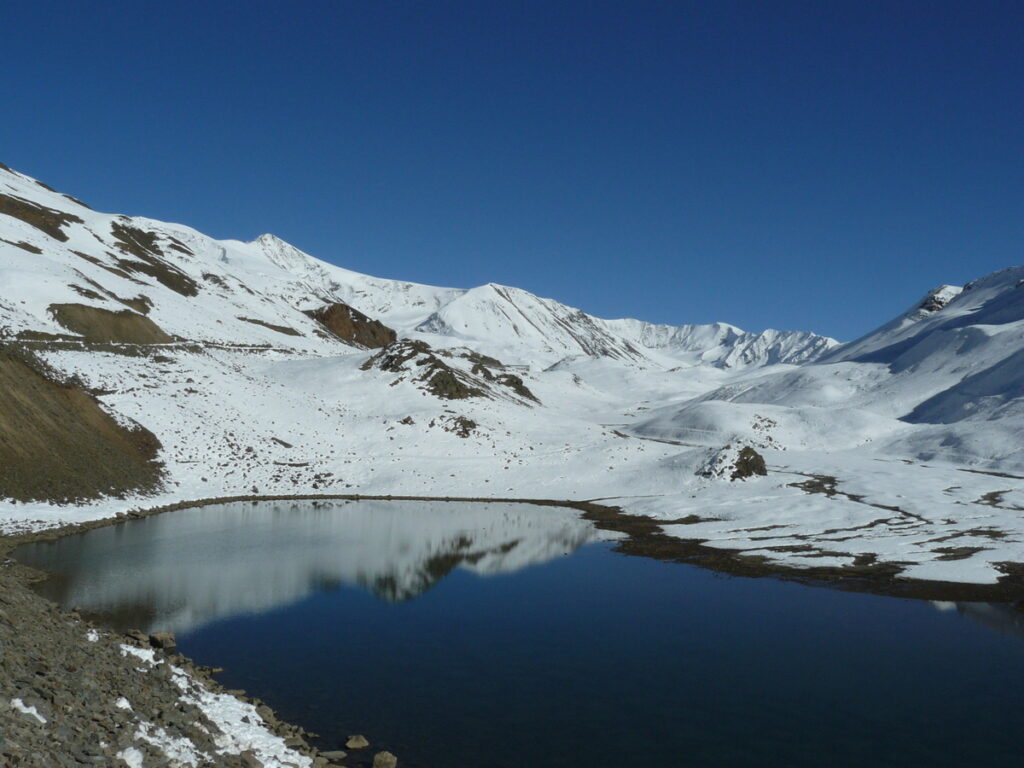
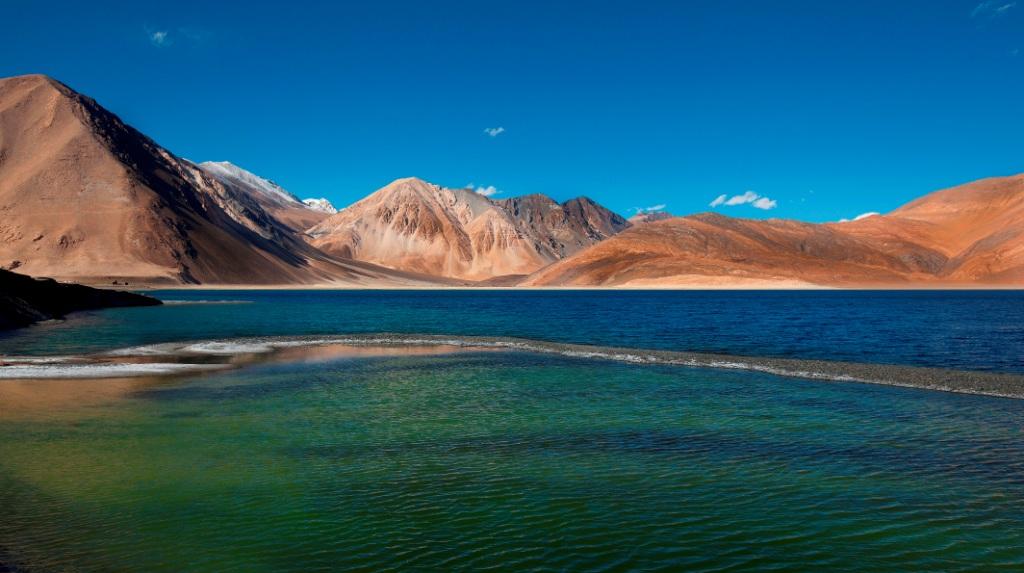
Located just below the Baralacha La pass in the Lahaul region, Surajtal is the third-highest lake in India. It is the source of the Bhaga River and remains frozen for a significant portion of the year. Surajtal serves as a vital landmark for those traveling on the Manali-Leh highway. The emerald-green water of Surajtal against the backdrop of snow-capped mountains is a sight that defines the rugged beauty of Lahaul and Spiti.
Exploring the Cultural Heart of Spiti Valley
While Lahaul offers lush patches and river valleys, Spiti is the spiritual core of the region. The culture here is deeply influenced by Vajrayana Buddhism.
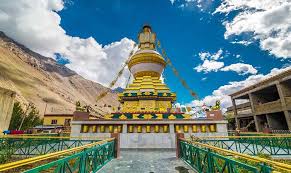
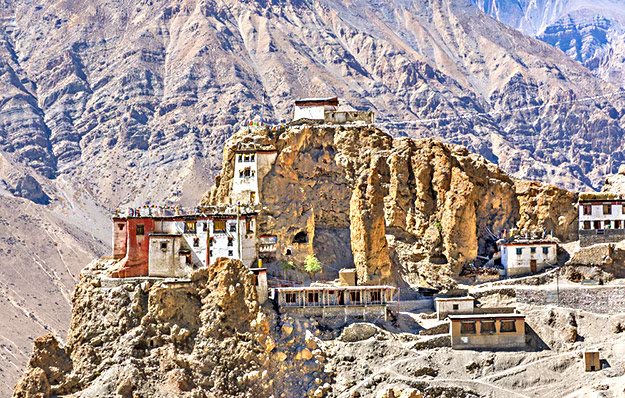
- Key Monastery: Perched atop a hill, this is the largest monastery in Spiti.
- Kaza: The commercial hub of Spiti, Kaza is where you can find accommodation and fuel.
- Tabo Monastery: A UNESCO World Heritage site, it is often called the ‘Ajanta of the Himalayas.’
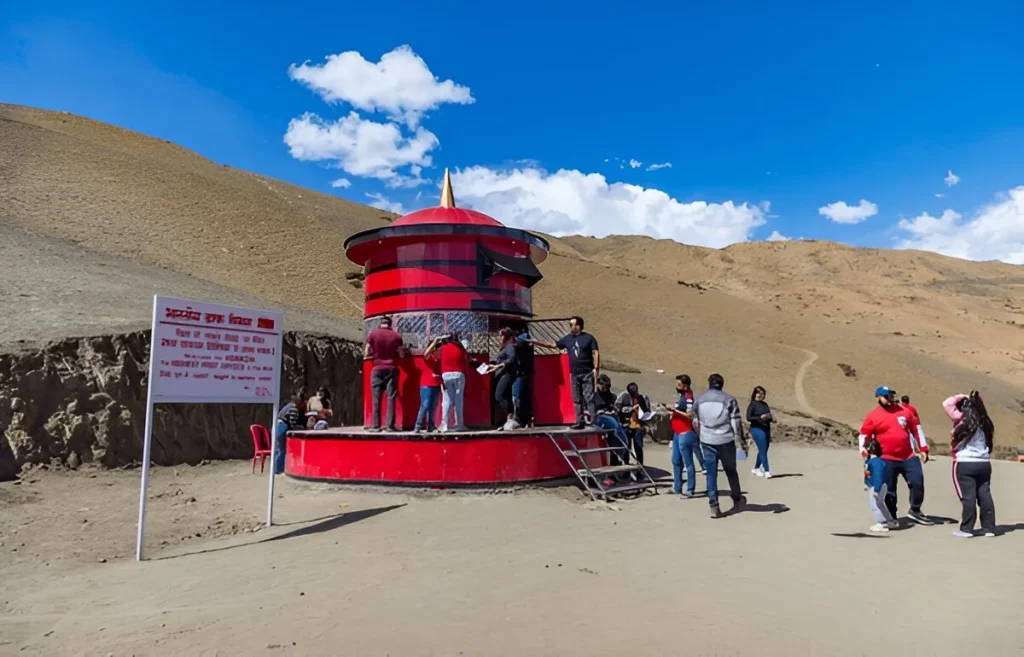
- Hikkim: Boasting the world’s highest post office, it is a tradition for travelers to send a postcard from here.
Best Time to Visit Lahaul and Spiti Valley
Choosing the right time is crucial for your Lahaul Spiti adventure.
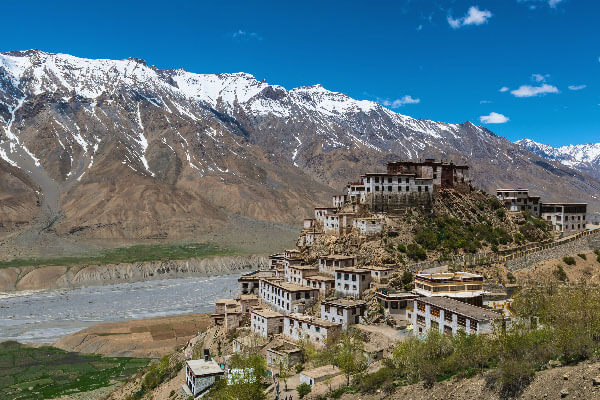
- Summer (June to September): This is the peak season. The roads to Chandratal Lake and Surajtal are open, and the weather is pleasant for exploration.
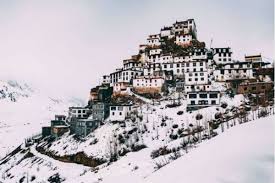
- Winter (December to March): Known as “White Spiti,” this season is for those who want to see the valley covered in thick snow. While Lahaul is accessible via the tunnel, reaching the interior parts of Spiti and the lakes is extremely challenging.
Adventure and Trekking Opportunities
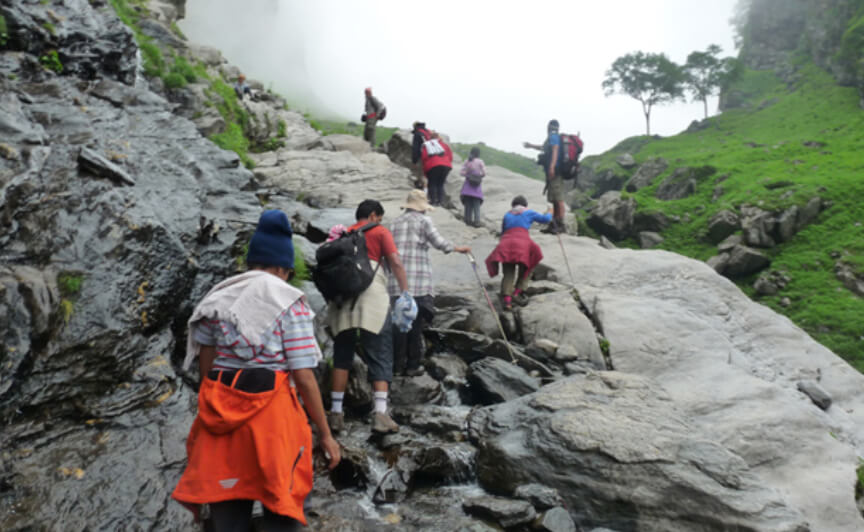
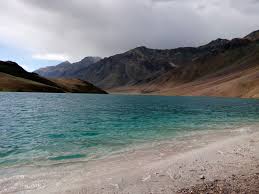
For those who seek adrenaline, Lahaul and Spiti offer some of the most challenging treks in the world. The trek to Chandratal from Batal or the Hampta Pass trek ending at Chandratal Lake is a favorite among trekking enthusiasts. Lahaul and Spiti’s rough terrain is great for mountain biking and off-roading.
Essential Travel Tips
- Acclimatization is key: Since most places in Lahaul and Spiti are above 10,000 feet, Acute Mountain Sickness (AMS) is common. Take it slow and stay hydrated.
- Vehicle Choice: High ground clearance vehicles are a must. The roads leading to Chandratal and Surajtal often involve crossing water streams.
- Eco-Friendly Travel: We urge you to carry your trash back. Chandratal Lake is a sensitive ecosystem; please do not use plastic or litter the area.
- Connectivity: Only BSNL and sometimes Jio work in Kaza or Keylong. Expect zero network near Chandratal.
Frequently Asked Questions (FAQs)
Q1. When is the best time to visit Chandratal Lake? The best time to visit Chandratal is from mid-June to September. During this period, the snow on Kunzum Pass is cleared, allowing vehicles to reach the lake.
Q2. Is there a mobile network in Lahaul and Spiti? Connectivity is limited. The BSNL network is the most reliable in Lahaul and Spiti. While Kaza has Jio and Airtel, you will find long stretches with no signal, especially near Surajtal and Chandratal.
Q3. How far is Surajtal from Manali? Surajtal is approximately 160 km from Manali. It takes about 5-6 hours to reach via the Atal Tunnel and the Manali-Leh highway.
Q4. Can I visit Lahaul Spiti in a hatchback car? While hatchbacks can reach Lahaul via the tunnel, it is not recommended for Spiti or Chandratal Lake due to rocky terrains and deep water crossings.
Q5. What are the must-eat foods in Spiti? Don’t miss out on local delicacies like thukpa, kyu, and sea buckthorn tea.
Q6. What should I pack for a Lahaul and Spiti trip? Pack plenty of layers (thermals, fleece, and a heavy jacket), sunblock, and personal medications. The sun in Lahaul Spiti is very harsh, while the wind is freezing.