
“Are you planning to undertake the sacred Kedarnath Yatra this year? Nestled grandly in the majestic Garhwal Himalayan range of Uttarakhand…”, Kedarnath is one of the most revered Dhamas in Hinduism. Millions of pilgrims and adventure enthusiasts undertake this arduous trek every year to seek the blessings of Lord Shiva.
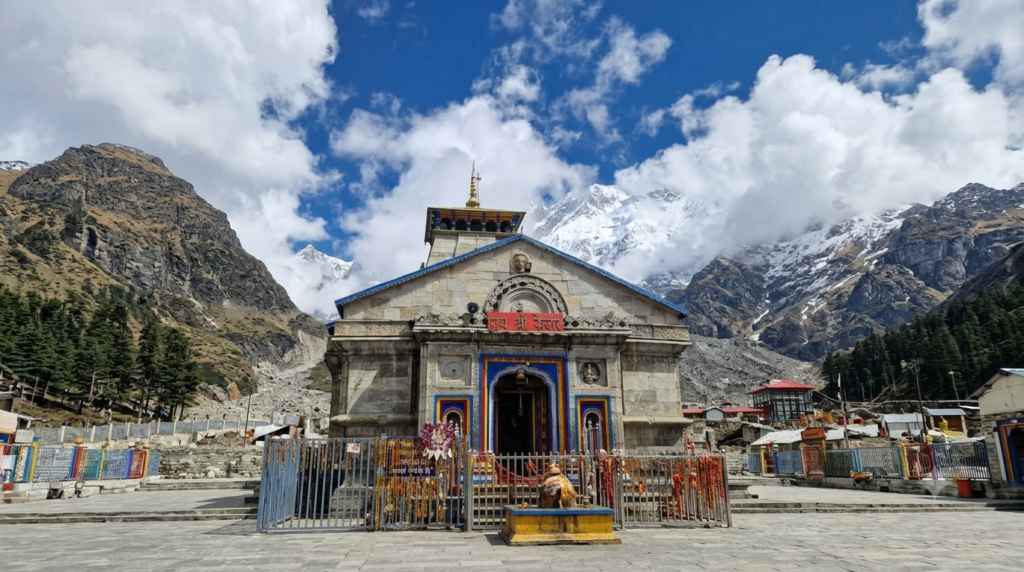
However, trekking at an altitude of 3,583 meters is no walk in the park. To ensure your spiritual journey is both blissful and secure, here is a complete guide covering the essential rules, preparation strategies, and fitness requirements for the ultimate Kedarnath experience.
Table of Contents
- Essential Physical Fitness for Kedarnath Yatra
- Acclimatization and Dealing with Altitude Sickness
- Best Time to Visit and Weather Dynamics. Packing Essentials for Kedarnath Yatra
- Alternative Transport Options: Ponies, Palkis, and Helicopters
- Bio-Medical Registration and Permissions
- Booking Accommodations for Kedarnath Yatra
1. Essential Physical Fitness for Kedarnath
The trek from Gaurikund to the main Kedarnath temple spans roughly 16 to 18 kilometers of steep, uphill terrain. Because the air thins out significantly as you ascend, physical preparation is absolutely mandatory before starting the Kedarnath Yatra.”
- Cardio Routine: Start jogging, cycling, or swimming at least a month before your trip to improve lung capacity.
- Leg Strength: Focus on squats, lunges, and calf raises to prepare your muscles for the grueling incline.
- Breathing Exercises: Practice Pranayama or deep breathing techniques to help your body adapt to lower oxygen levels at high altitudes.
Building your cardiovascular stamina prevents sudden fatigue on the trail. Many travelers fail to complete the climb simply because their bodies are unaccustomed to prolonged vertical movement.
2. Acclimatization and Dealing with Altitude Sickness
Acute Mountain Sickness (AMS) is a very real challenge during the Kedarnath trek. Ignoring its early symptoms can turn a divine experience into a medical emergency.
Pro-Tip: If you experience severe headaches, nausea, dizziness, or acute fatigue, stop ascending immediately. Rest at the nearest medical camp and do not push forward until your oxygen levels stabilize.
To minimize the risks, spend a night localizing yourself at Guptkashi or Sonprayag before starting the actual Kedarnath Yatra climb. Keep yourself hydrated by sipping water frequently, and avoid consuming alcohol or smoking throughout the journey. To explore further safety guidelines on high-altitude scaling, you can read the comprehensive Himalayan Hikers Guide for expert breakdown safety tracking.
3. Best Time to Visit and Weather Dynamics
The gates of the holy Kedarnath temple open during Akshaya Tritiya (usually late April or early May) and close around Bhai Dooj (November).
| Season | Months | Weather Conditions |
| Summer | May to June | Pleasant daytime temperatures, ideal for trekking. Highly crowded. |
| Monsoon | July to August | High risk of landslides, heavy rainfall, and slippery paths. Generally avoided. |
| Post-Monsoon | September to October | Crisp clear skies, chilly winds, and beautiful views. Perfect for photography. |
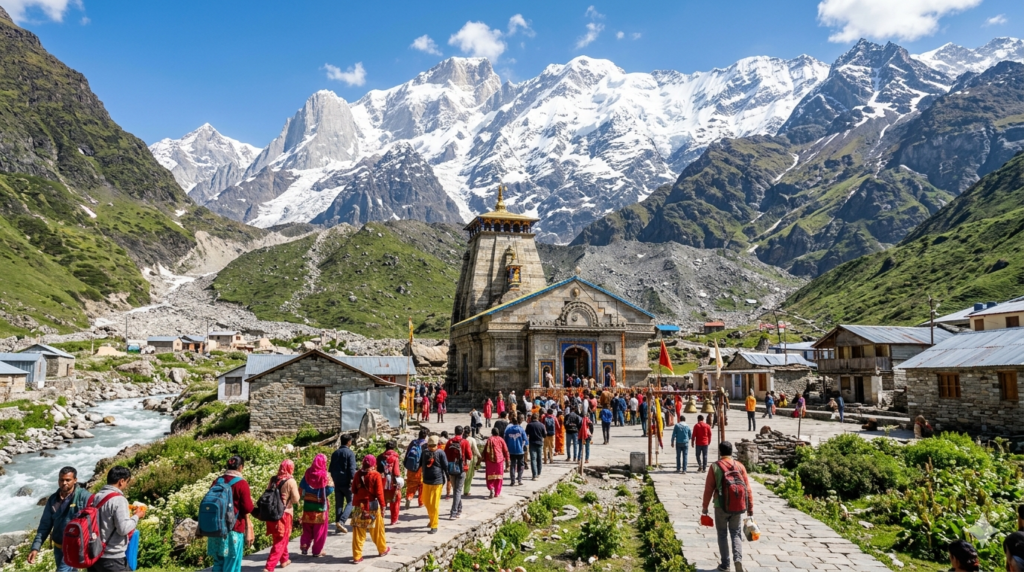
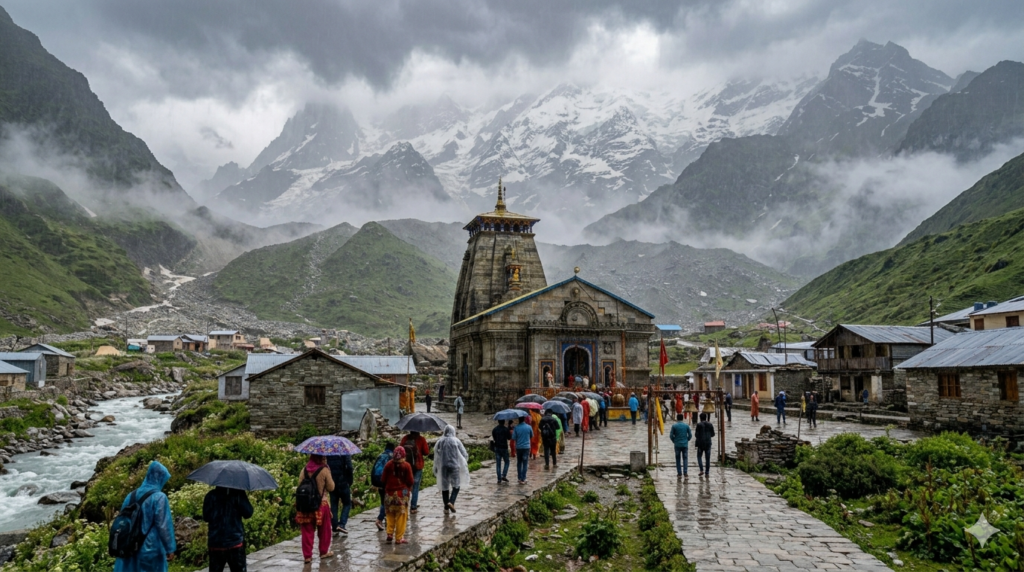
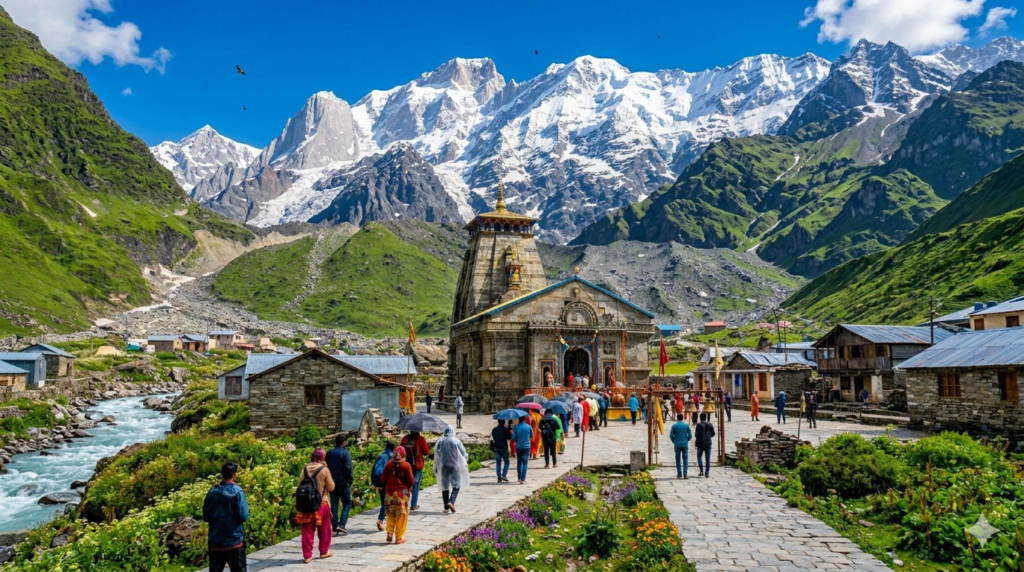
Export to Sheets
Understanding these seasonal transitions helps you plan your itinerary effectively. Avoid monsoon periods entirely to stay protected against sudden cloudbursts and road blockages.
4. Packing Essentials for the Himalayan Trek
The weather in the Himalayas is notoriously unpredictableIn a matter of minutes, it can shift from brilliant sunshine to a freezing downpour.. You must pack smart without overloading your backpack during your Kedarnath journey.
- Clothing Layers: Carry thermal innerwear, a heavy fleece jacket, a windproof outer layer, and waterproof trekking pants.
- Rain Gear: Always keep a high-quality poncho or raincoat easily accessible in your bag.
- Footwear: Invest in sturdy, broken-in trekking shoes with a deep grip. Do not wear brand-new shoes on the trek to avoid painful blisters.
- Medical Kit: Pack essential medications for colds, pain relief, motion sickness, band-aids, and portable oxygen canisters.
5. Alternative Transport Options: Ponies, Palkis, and Helicopters
If you feel the 18 km Kedarnath trek is beyond your physical capability, there are multiple transport alternatives available at Gaurikund for pilgrims on the Kedarnath Yatra.
- Ponies and Kandi (Baskets): Local handlers charge government-regulated rates to carry pilgrims or their luggage up the mountain.
- Palkis (Palanquins): Ideal for elderly devotees who cannot ride a horse comfortably.
- Helicopter Services: You can book helicopter tickets in advance via the official IRCTC website. Flights generally operate from Phata, Sersi, and Guptkashi.
Using these services helps reduce bodily strain, letting you focus entirely on the spiritual essence of the journey.
6. Bio-Medical Registration and Permissions
The Government of Uttarakhand has made biometric registration mandatory for all pilgrims visiting the Kedarnath temple.
You can easily register online through the Uttarakhand Tourism Portal or via their mobile application. Ensure you keep a couple of physical printouts of your registration slip and your .valid government ID, as network connectivity during the Kedarnath Yatra route can be highly unreliable. once you pass Sonprayag.
7. Booking Accommodations in Advance
Due to strict environmental regulations and limited geographical space, accommodation options near the Kedarnath temple premises are restricted. The Garhwal Mandal Vikas Nigam (GMVN) provides budget-friendly tents, dormitories, and rooms.
It is highly recommended to book these online months in advance. Relying on spot-bookings during peak seasons can leave you stranded in freezing night temperatures without a roof over your head.
8. Frequently Asked Questions (FAQ)
## What is the total trek distance for Kedarnath Yatra?
The total trek distance from Gaurikund to the Kedarnath temple is approximately 16 to 18 kilometers. Depending on your fitness level and walking pace, it generally takes anywhere between 6 to 9 hours to complete the one-way climb.
Can elderly people or children undertake the journey?
Yes, elderly individuals and children can visit, provided they have cleared medical wellness checks. If walking is too intense, they should opt for alternative transport options such as ponies, palkis, or helicopter booking services.
Are ATM facilities or digital payment modes functional on the trail?
While digital payments are increasingly adopted, cellular network coverage becomes highly erratic as you go higher up the mountain. It is strictly advised to withdraw and carry sufficient hard cash from major hubs like Haridwar, Rishikesh, or Rudraprayag before heading past Sonprayag.
Is there any medical assistance available on the route?
Yes, the local government sets up primary health check posts and first-aid tents at fixed intervals along the Kedarnath trail. Portable oxygen cylinders and emergency medical practitioners are stationed to treat altitude sickness and respiratory issues.
Summary for a Smooth Pilgrimage
A successful trip relies entirely on respect for nature, proper planning, and self-awareness. Listen to your body, respect the local spiritual traditions, keep the mountain trails clean, and move at a steady, rhythmic pace.
For additional planning resources, checking the official announcements on the main Uttarakhand Tourism Website ensures you have updated road conditions and open-gate schedules. Have you already registered for your upcoming pilgrimage, or are you still planning your itinerary dates? Let me know if you need help calculating the travel timelines from Rishikesh or Haridwar!
If you love exploring the serene beauty of Uttarakhand, don’t forget to check out our ultimate travel guides and itineraries on The Wander Peaks Blog. This will help you plan your next weekend getaway perfectly!